A manicure should leave you with nothing but good-looking nails. Most of the time, it does. But the difference between a salon that’s genuinely clean and one that merely looks clean isn’t always obvious from the chair, and the stakes, infections, fungal issues, irritation, are high enough to be worth a few minutes of attention before you book.
The good news is that you don’t need any special expertise to assess a salon. You just need to know what to look for. Here’s a practical checklist you can use anywhere, whether it’s a quick walk-in or your regular spot in New York.
The non-negotiables
These are the things a clean salon gets right every single time. If any of them are missing, consider it a real flag.
1. Tools are sterilized between clients
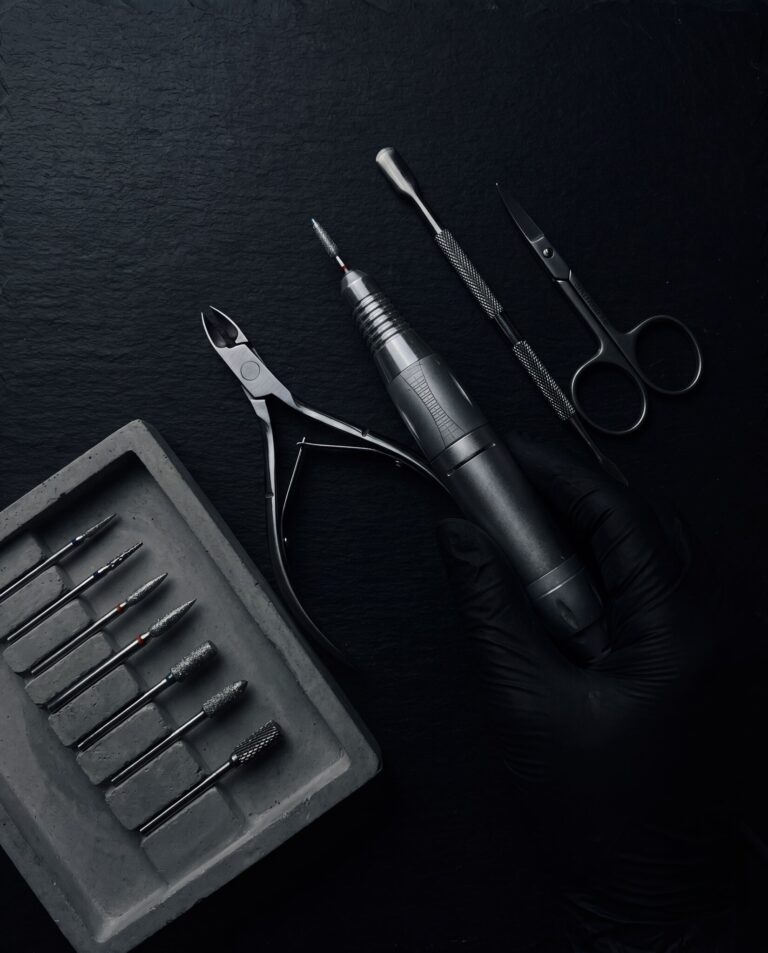
Metal implements, clippers, cuticle pushers, nippers, come into contact with skin and occasionally draw the tiniest bit of blood, so they have to be properly sterilized between every client. The gold standard is a medical-grade autoclave, which uses pressurized steam to kill microorganisms that surface cleaning can’t.
What to look for: tools sealed in sterilization pouches that are opened in front of you. That’s the clearest possible sign your implements are clean and dedicated to you. A quick wipe with alcohol or a soak in liquid disinfectant is not the same thing as sterilization.
2. Files and buffers are single-use
Here’s one many people miss. Files, buffers, and pumice stones are porous, they can’t be truly sterilized, because microorganisms lodge in the material itself. In a careful salon, these items are single-use: brand new for you, and either discarded afterward or kept aside for you alone.
What to look for: a fresh file taken from packaging, or your own set kept for you. If a file looks worn or used, it’s been on someone else’s nails.
3. Stations are cleaned and reset between guests
Each workspace should be wiped down and reset between clients, not just tidied. Towels should be fresh. Surfaces should be clean. You shouldn’t be sitting down to someone else’s dust and debris.
What to look for: a technician who visibly resets the station before you sit, and clean linens rather than reused ones.
4. Hand hygiene is visible
Your technician should wash or sanitize their hands before starting your service, and ideally you should be invited to do the same. This is basic, and a place that skips it in plain view is telling you something.
The strong signals
These aren’t always visible in the first thirty seconds, but they separate good salons from great ones.
5. Licensing is current and posted
In New York, both salons and individual nail technicians are required to be licensed by the state. Licensing is a baseline, not a luxury, and reputable salons display their credentials or can produce them without hesitation.
What to look for: posted licenses, and technicians who don’t bristle if you ask.
6. Ventilation and air quality
The air is part of hygiene too. A salon thick with solvent fumes isn’t just unpleasant, it points to poor ventilation and, often, harsher product choices. Good air quality, through real ventilation, filtration, and lower-odor formulations, is a marker of a well-run space. This overlaps closely with what we cover in our guide to what makes a nail salon non-toxic, because cleaner formulas and cleaner air tend to go together.
What to look for: air that feels fresh when you walk in, not air that announces itself.
7. How they handle pedicures
Pedicures deserve special scrutiny, because the traditional foot bath is one of the hardest things in a salon to keep clean, particularly the jetted versions, where water circulates through internal pipes that are difficult to fully disinfect between clients. A waterless, dry pedicure sidesteps this risk entirely by removing the basin from the equation. We explain the reasoning in detail in our piece on why waterless pedicures are more sanitary, and it’s one of the clearest hygiene upgrades a studio can make.
What to look for: a waterless approach, or, if there are basins, evidence of rigorous between-client cleaning of the internal components.
A quick pre-booking checklist
Before you commit, run through this:
- Are tools sterilized in an autoclave and opened from sealed pouches?
- Are files and buffers single-use?
- Are stations and linens fresh between clients?
- Do technicians sanitize their hands visibly?
- Are licenses current and posted?
- Does the air feel fresh, with real ventilation?
- For pedicures, is the approach waterless, or are basins rigorously cleaned?
If a salon ticks these boxes, you’re in good hands. If you’re not sure, ask, a confident, clean studio welcomes the questions.
How we approach it at The Shade
We designed The Shade so you’d never have to run this checklist nervously. At our SoHo flagship, sterilized tools, single-use porous items, clean and reset stations, and licensed technicians are simply how we operate. Going fully dry, waterless for both manicures and pedicures, removes the foot-bath risk entirely, and we pair all of it with real ventilation and cleaner, lower-odor formulations. We treat hygiene as the foundation of the experience, not a feature to advertise.
Clean nails should be the easy part. Knowing what to look for makes choosing a salon simple, and it means the only thing you have to think about in the chair is which color you want.
Want a manicure where hygiene is never in question? Book at The Shade SoHo and relax knowing every detail behind the scenes has already been handled.