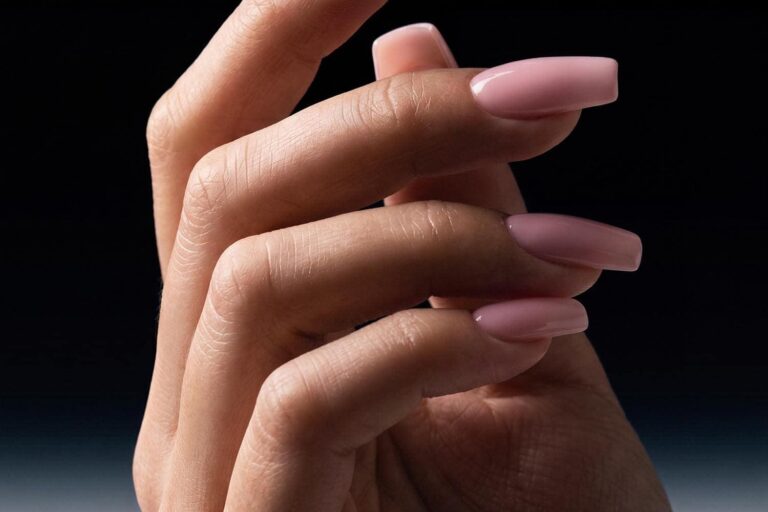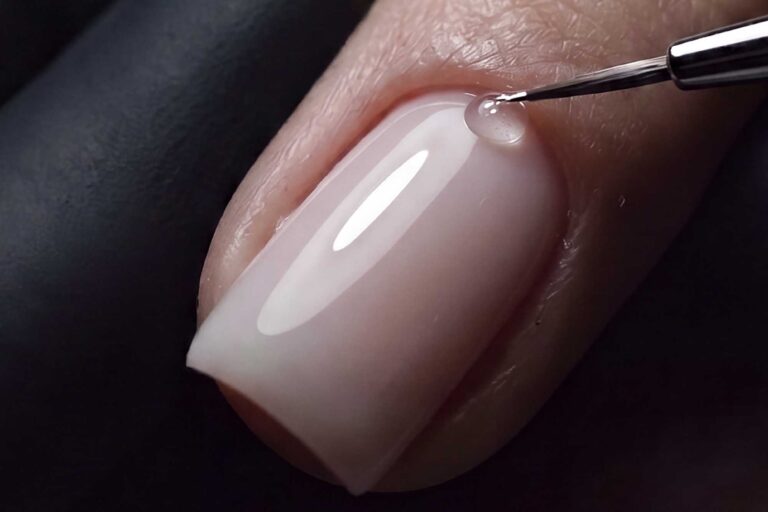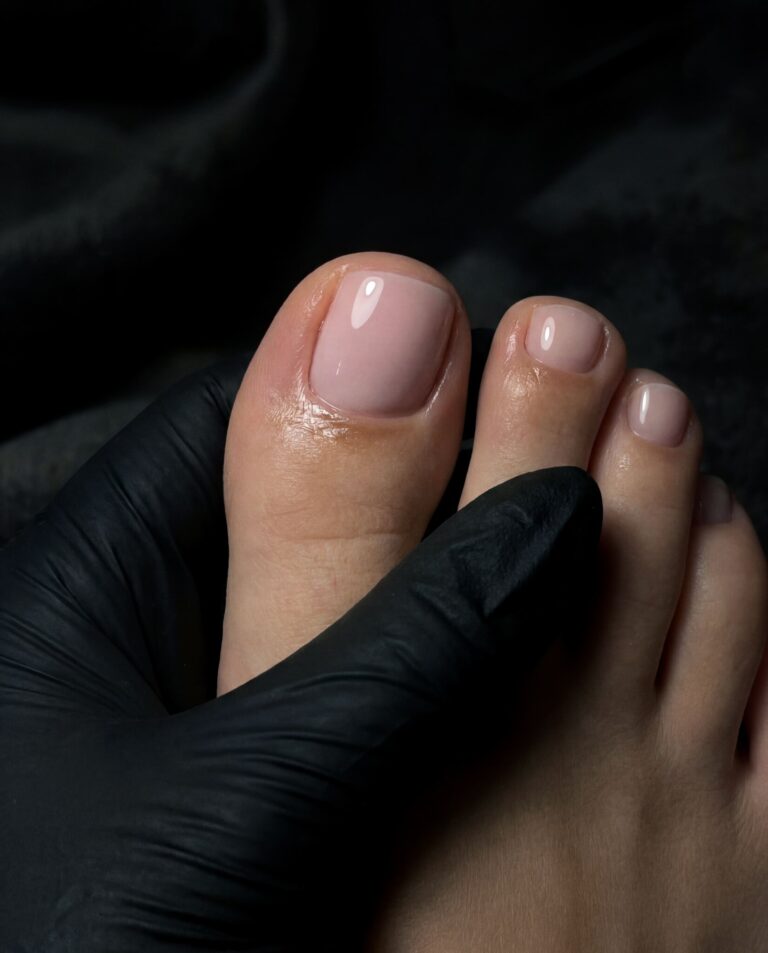
A gel pedicure is one of those small decisions that quietly shapes the next month. Done well, it holds its finish through gym socks, sandals, travel days and everything in between. Done carelessly, it chips at the edges within a week, or worse, leaves your nail plate thinner than it started. The difference is rarely the polish itself. It comes down to how the nail is prepped, how the product is cured, and how it eventually comes off.
If you have been weighing whether a gel pedicure is worth booking, here is a clear-eyed look at what it is, how it compares to regular polish, and what to look for in a studio before you sit down.
What a gel pedicure actually is
A gel pedicure uses a soft gel polish that is applied in thin layers and cured under a lamp between coats. Unlike traditional lacquer, which dries by evaporation over a long and vulnerable window, gel sets fully in the chair. That single difference is why people book it: you leave the studio with a finish that is already hard, already sealed, and already yours to walk out in.
The trade-off is that gel requires a proper removal. It does not simply wipe away with acetone on a cotton round the way lacquer does, and the way it is taken off matters more to your nail health than almost anything else in the service.
Gel pedicure vs regular polish: the honest comparison
Both have a place. The right answer depends on what the next few weeks look like for you.
- Wear time. Gel typically outlasts lacquer on toes by a wide margin. Toenails grow more slowly than fingernails and take far less daily abuse, so a well-applied gel pedicure often looks intact well past the point where a lacquer pedicure has started to dull.
- Dry time. Gel is cured, not dried. There is no waiting period, no sitting under a fan, no smudging a toe on the walk to the subway.
- Finish. Gel holds a higher-gloss, more uniform surface. Lacquer has a softer, more classic look that some people genuinely prefer.
- Removal. Lacquer comes off in a minute at home. Gel needs a considered removal, ideally in studio.
- Commitment. Gel is the better choice when you want to stop thinking about your toes. Lacquer is the better choice when you like changing color often.
Why the prep matters more than the polish
Here is the part most people never see explained: gel adheres to a clean, dry, properly shaped nail plate. Anything that leaves the nail soft or saturated works against that bond.
This is the reasoning behind a waterless pedicure. Soaking feels indulgent, but water temporarily swells the nail plate and the surrounding skin. Polish applied to a swollen nail sits on a surface that is about to change shape as it dries down over the following hours, which is a quiet and very common cause of early lifting and chipping. Working dry means the nail you prep is the nail you finish on.
The same logic applies to fingernails, which is why we work dry across the board. If the approach is new to you, our guide to what a dry manicure is walks through the method, and our breakdown of dry pedicures versus traditional pedicures covers how the experience differs in practice.
The hygiene question nobody likes to ask
Pedicure hygiene deserves more attention than it usually gets. Shared foot basins, jetted tubs and liners are historically the weakest link in a nail service, because plumbing and circulation systems are difficult to fully sanitize between guests.
Removing water removes that variable entirely. No basin, no jets, no shared standing water. Implements are sterilized, single-use items are genuinely single-use, and the surfaces you touch are cleaned between appointments. We wrote more about why this matters in our piece on whether waterless pedicures are more sanitary.
If you are evaluating any studio, not just ours, a few things are worth watching for:
- Tools brought to the station sealed, and opened in front of you
- Visible, consistent surface cleaning between guests
- Good ventilation and an absence of heavy chemical odor
- Technicians who can explain their sterilization process without hesitation
- Files and buffers that are either single-use or properly disinfectable
Is a gel pedicure bad for your nails?
Gel itself is not the problem. Aggressive filing before application and impatient removal afterward are. When a technician over-buffs the nail plate to create grip, or scrapes cured gel off a nail that has not been properly soaked, the result is thinning, white patches and sensitivity that can take months to grow out.
Handled with restraint, gel can be worn continuously without damage, and many people find their nails look and feel better under it than exposed. The two things that protect you are a light hand during prep and a patient, non-forceful removal. Our guide to removing gel polish safely covers what that should look like.
If you have a history of nail sensitivity, a known allergy to acrylates, diabetes, circulatory issues, or any foot condition that affects the skin or nail bed, mention it when you book and speak with your physician or a dermatologist before adding anything new to your routine. A good studio would rather adjust the service than push through it.
Making a gel pedicure last
A few habits meaningfully extend the finish:
- Wear open shoes for the rest of the appointment day if you can. Gel is cured, but the surrounding skin and cuticle oil need a beat to settle.
- Oil your cuticles daily. Flexible, hydrated skin at the base of the nail reduces lifting at the edge.
- Keep length modest. Long toenails catch on socks and shoe fronts, and that repeated pressure is what starts a chip.
- Resist picking. A single peeled corner takes layers of your nail plate with it.
- Book removal rather than improvising at home.
Our guide to making a pedicure last longer goes deeper on aftercare if you want the full routine.
So, is it worth it?
If you want a finish that survives a full travel itinerary, a wedding weekend, or simply the next several weeks of not thinking about it, a gel pedicure earns its place. If you change colors constantly or prefer a softer traditional look, lacquer is the more sensible pick. Neither is a compromise. They are different tools.
What should not be a variable is how the service is performed: clean, dry, unhurried, with products chosen for what is in them as much as how they wear.
Ready to book? Our SoHo studio offers fully dry manicures and pedicures in a calm, appointment-first setting, with cleaner formulas and a standard of hygiene we hold without exception. Reserve your appointment and see the difference a waterless approach makes.