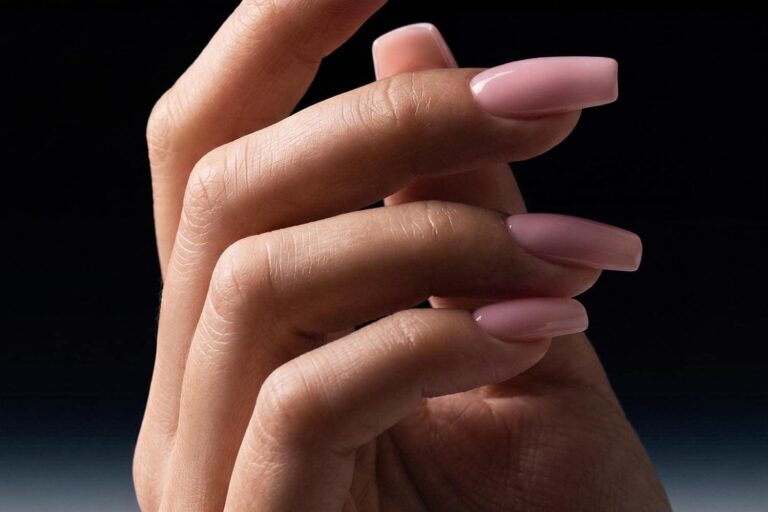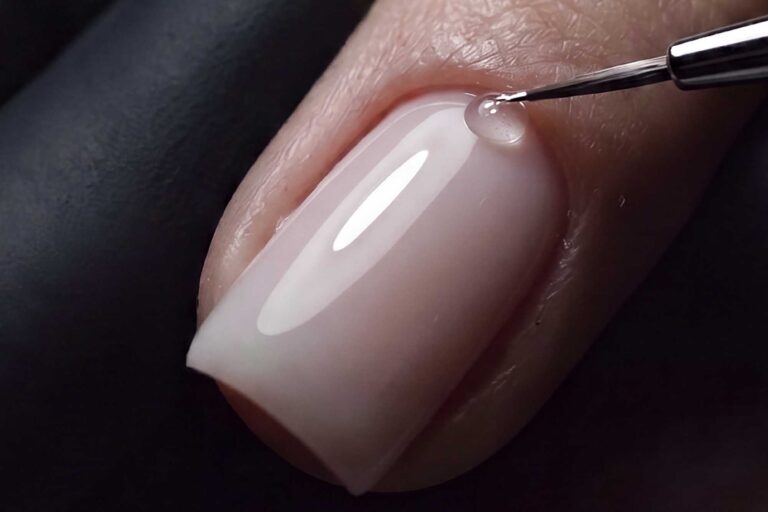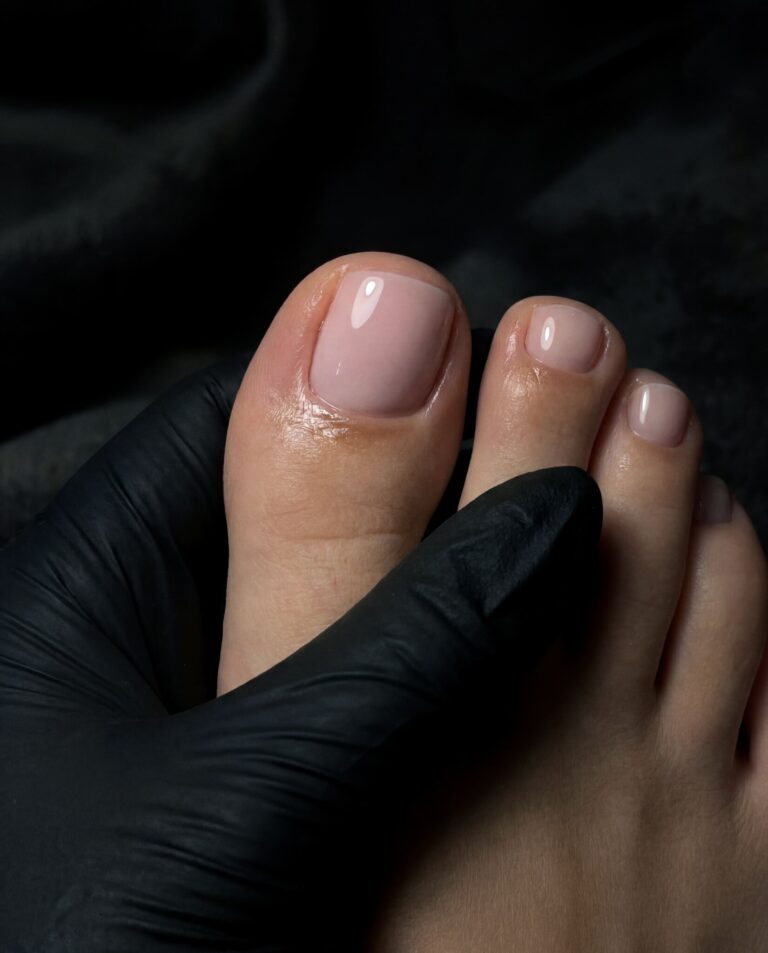
For as long as most of us can remember, a pedicure has meant one thing first: the soak. You sit down, slide your feet into a warm, bubbling basin, and let them soften before the work begins. It feels like the whole point. So when people hear about a dry, waterless pedicure, the first reaction is usually a raised eyebrow. No water? Doesn’t that defeat the purpose?
It’s a fair question, and the answer is more interesting than you’d expect. Skipping the water isn’t a shortcut or a gimmick. It’s a deliberate choice that changes the hygiene, the results, and even how long your pedicure lasts. Here’s how the two compare, and why we built our pedicure around the dry method.
What a dry pedicure actually is
A dry, or waterless, pedicure delivers everything you associate with the service, exfoliation, callus care, cuticle work, nail shaping, and polish, without ever soaking the feet in a basin. Instead of softening skin with water, the technician works with targeted products, warm towels, and precise technique to clean, smooth, and treat the feet.
That’s the headline difference. No shared basin, no jets, no soaking. Everything else you love about a pedicure is still there, just delivered differently, and arguably better. If you’re new to the waterless idea in general, our explainer on what a dry manicure is covers the same philosophy applied to hands.
The hygiene advantage
This is the most important difference, and the one that won most of us over.
Traditional pedicures rely on foot baths, and foot baths are genuinely hard to keep clean. The jetted versions are the bigger concern: water circulates through internal pipes and jets that are difficult to fully sanitize between clients, and they can harbor bacteria and other microorganisms in places a quick wipe-down never reaches. It’s not a hypothetical, foot-bath-related skin infections are a known issue in the industry, and they’re a big part of why so many people feel a flicker of hesitation before slipping their feet in.
A dry pedicure removes that risk at the source. With no shared water and no basins or pipes to clean, the most common vector for cross-contamination simply isn’t there. The work happens with sanitized tools and single-use or per-client materials, on clean, dry skin. We go deeper into exactly why this matters in our piece on why waterless pedicures are more sanitary, but the short version is that the cleanest basin is the one you don’t use.
Why results can last longer
Here’s the part that genuinely surprises people. Skipping the soak can actually improve your results, especially your polish.
When you soak your feet, your nails absorb water and temporarily expand. Polish applied to swollen nails can lift, shrink back, or chip sooner once the nails dry and return to their normal size. By working on dry nails, a waterless pedicure applies polish to nails at their true shape, which can help it adhere better and wear longer.
Callus and dry-skin work can benefit too. Some technicians find that treating calluses on dry skin, rather than waterlogged skin, lets them see and address the actual texture of the foot more precisely, rather than softening everything into a temporary, deceptive smoothness that returns once the water-softening fades. The result is care that’s targeted to what your feet actually need.
What the experience is like
If you’re picturing something clinical or less relaxing, set that aside. A well-done dry pedicure is just as much of a treat, often more so. In place of the basin, you get warm towels, rich treatment products, massage, and the same unhurried pampering. Many people find it feels more luxurious and intentional, not less, precisely because every step is deliberate rather than built around a tub of cooling water.
There’s also a practical comfort: no sitting with your feet in water that’s gone lukewarm, no awkward shuffle to and from a basin, and no lingering damp. Just focused, hands-on care from start to finish.
So why does the soak persist?
If dry pedicures are more hygienic and can last longer, why is soaking still the default almost everywhere? Mostly habit and infrastructure. Soaking is how pedicures have always been done, basins are already installed in most salons, and clients expect the ritual because it’s all they’ve known. Changing the model takes intention. It’s the kind of rethink we built The Shade around rather than inherited.
How we do it at The Shade
The Shade is a fully dry studio, both manicures and pedicures, waterless from start to finish. That’s not a feature we tacked on; it’s the foundation of how we work. At our SoHo flagship, the waterless pedicure pairs the hygiene benefits of skipping the basin with cleaner, lower-odor formulations and sanitation standards we treat as non-negotiable. The result is a pedicure that feels indulgent and gives you genuine peace of mind, the two things that shouldn’t have to be a trade-off.
Skipping the water isn’t about doing less. It’s about doing it cleaner, more precisely, and in a way that actually serves your feet and your polish better. Once you’ve tried it, the old basin starts to feel like the compromise it always was.
Ready to rethink the pedicure? Book a waterless pedicure at The Shade SoHo and feel the difference of going fully dry.