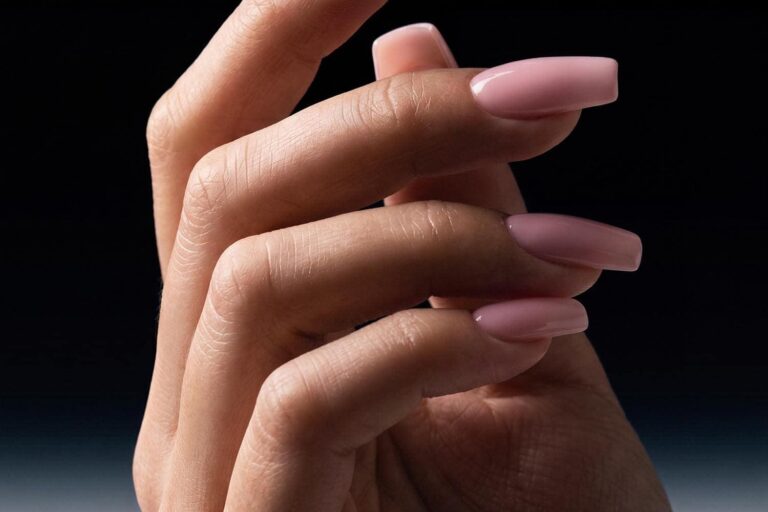
A beautiful manicure sitting on dry, tight, neglected hands is a mismatch, and it is the first thing a good technician notices. Nails are the detail. Hands are the frame.
Hand care tends to get treated as an afterthought, something you address when the skin cracks in February. Built into a routine instead, it takes about ninety seconds a day and changes how your hands look and feel year round. Here is what actually matters.
Why Hands Need More Attention Than the Rest of You
Hands are working against a few structural disadvantages. The skin on the back of the hand is thin and has fewer oil glands than most of the body, so it holds moisture poorly to begin with. Then it gets washed repeatedly all day, which strips what oil is there.
Hands also collect sun exposure that nobody plans for. They sit on a steering wheel, on a desk near a window, on the arm of a chair outdoors. It is incidental, daily, and almost never protected, which is why hands often look older than the face above them.
None of that is dramatic on its own. It is cumulative, which is also why a consistent routine outperforms an occasional intensive treatment.
Build the Routine Around Three Things
Moisture, Reapplied
The rule is simple: cream after every wash, not once a day. Washing removes the barrier you just built, and rebuilding it immediately is the entire game. Keep a tube where you actually wash your hands rather than in a drawer.
Protection, Daily
Sunscreen on the backs of the hands is the highest-return habit in hand care and the most commonly skipped. Gloves are the other half of this: dish gloves for washing up, and proper gloves for cleaning products, which are harsher on skin than most people assume.
Restraint
More is not better. Aggressive scrubs, frequent exfoliation, hot water, and harsh soaps all work against the barrier you are trying to build. Gentle and consistent beats intensive and occasional every time.
The Short List of Non-Negotiables
- Hand cream after every wash. Not aspirational. Actual.
- SPF on the backs of your hands as part of your morning routine, reapplied if you are outdoors.
- Gloves for dishes and cleaning. Unglamorous, and the most protective thing on this list.
- Cuticle oil at night. One drop per nail, thirty seconds total.
- Lukewarm water, not hot. Hot water feels better and strips more.
- A richer cream before bed. Overnight is when your skin does its repair work with nothing washing it off.
How to Choose a Hand Cream
Marketing language on hand cream is mostly noise. What you are looking for is a combination of ingredients that pull water into the skin and ingredients that keep it from leaving.
- Humectants such as glycerin or hyaluronic acid draw moisture in.
- Occlusives such as shea butter, squalane, or dimethicone seal it there. A cream with only humectants can feel nice and do little.
- Ceramides support the skin barrier itself, which is useful if your hands crack or sting.
- Fragrance-free if your skin is reactive. Fragrance is a common irritant and offers nothing functional.
- Two textures works well in practice: something light enough that you will reuse it during the day, and something heavier for overnight.
If your hands are cracking, bleeding, persistently itchy, or not responding to consistent care, that is worth a conversation with a dermatologist rather than another cream. Hand eczema and contact dermatitis are common and treatable, and they do not resolve with moisturizer alone.
Cuticles Are Part of Hand Care
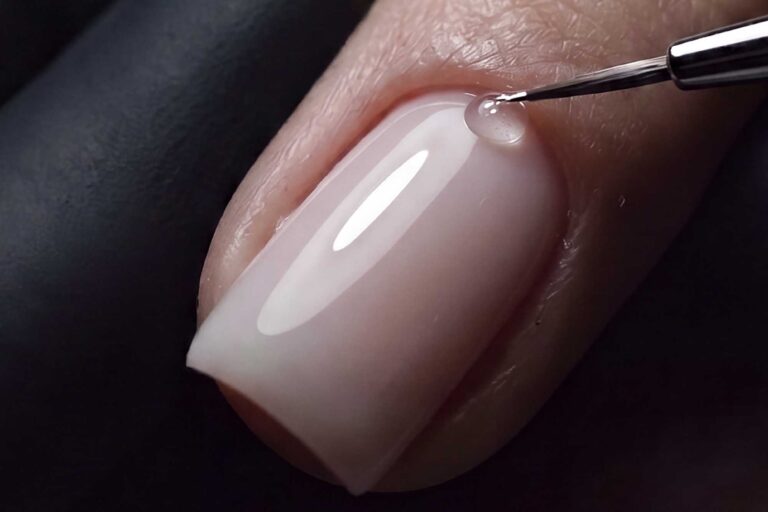
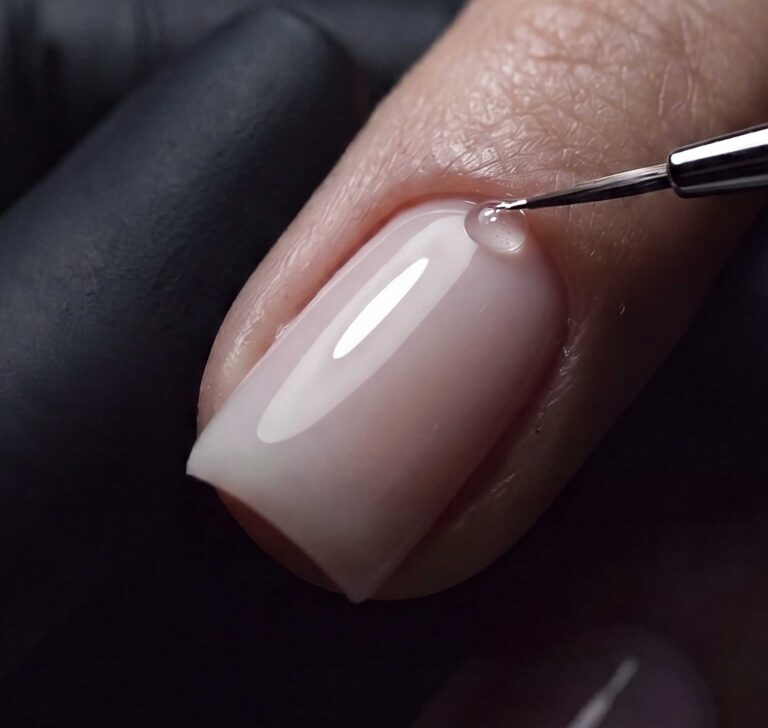
Nothing undermines a manicure faster than dry, ragged skin around the nail, and nothing is easier to fix. Conditioned skin at the cuticle also holds polish better, because tight dry skin pulls at the product edge every time your hand moves.
The cardinal rule is to oil rather than cut. Aggressive cutting at home invites irritation and infection, and it tends to make the skin grow back thicker. We cover the full approach in our guide to cuticle care.
Where Professional Care Fits
A well-executed manicure is hand care, not just color. Precise dry cuticle work leaves the skin intact rather than inflamed, which is a large part of why a dry manicure tends to look cleaner at the cuticle line and stay comfortable afterward. Skipping the soak also means the skin is not being repeatedly waterlogged and stripped.
Every service at our SoHo studio finishes with a hand and arm massage, which is the part clients tell us they miss most when they go elsewhere. It is genuinely pleasant, and it is also the moment cream gets worked properly into the skin rather than sitting on top of it. More on that ritual in the lymphatic finish.
A Weekly Rhythm That Works
- Daily: cream after each wash, SPF in the morning, oil and a richer cream at night.
- Weekly: a gentle exfoliation if your skin tolerates it, and a longer massage with a heavier balm.
- Every three to four weeks: a professional manicure for the cuticle work and shaping you cannot do well on yourself.
- Seasonally: go heavier in winter, lighter in summer, and never drop the SPF.
Good hands are not a product. They are a habit, and a fairly small one.
Want the professional half of that routine handled properly? Book a dry manicure at our SoHo studio and we will look at your hands, not just your nails.