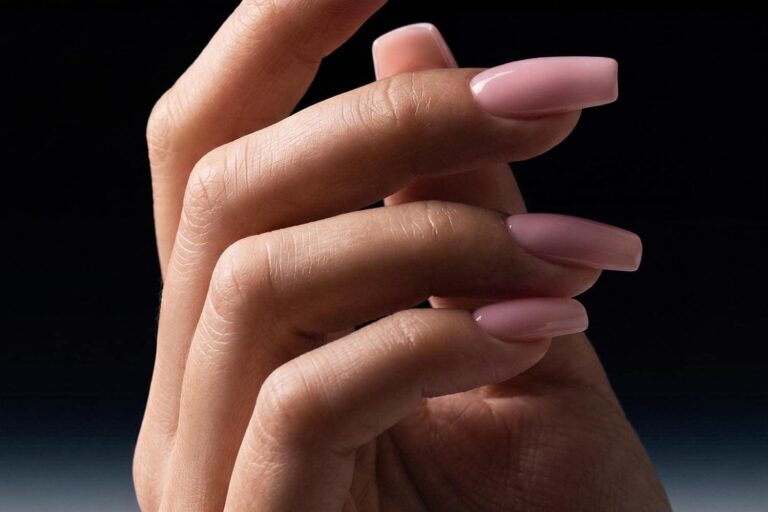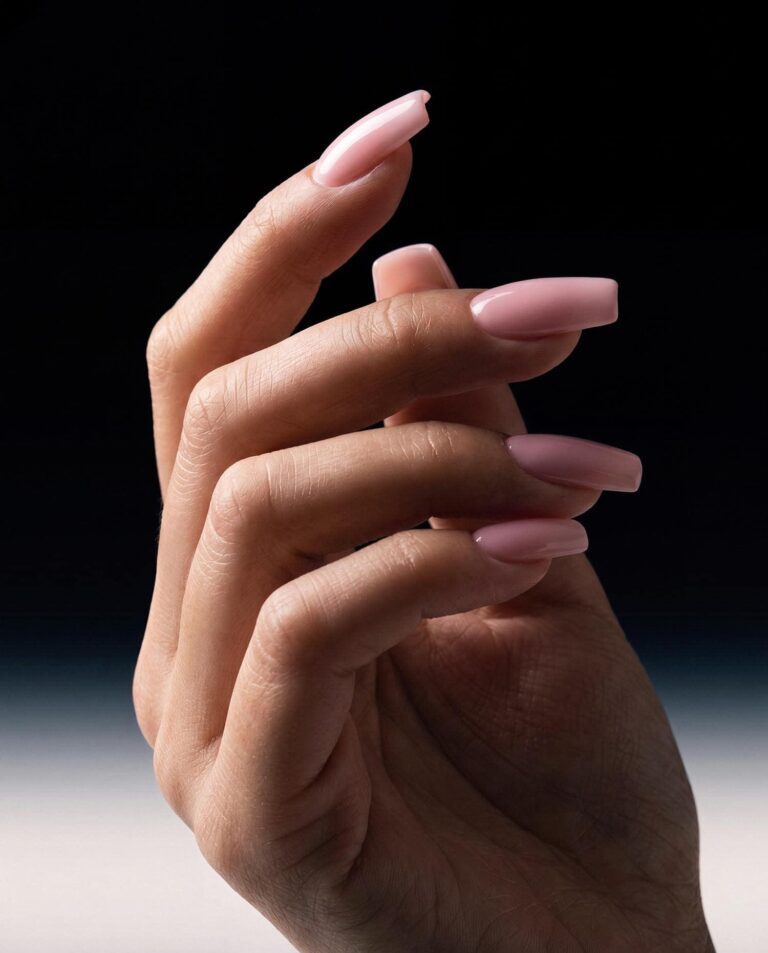
Cuticles are the most overlooked part of a manicure, and often the most abused. They get pushed, clipped, and nipped in the name of a tidy edge, usually without anyone stopping to ask what they are actually for. At The Shade, we treat cuticles as skin that deserves care, not a nuisance to be removed. Here is what your cuticles do, why cutting them is rarely the answer, and how to keep them healthy between visits.
What Your Cuticles Actually Do
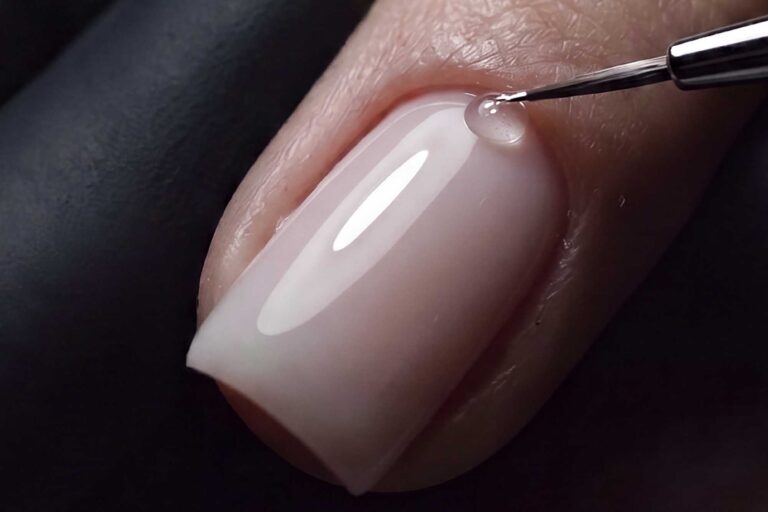
The cuticle is the thin layer of skin where your nail meets your finger. It is easy to dismiss as excess, but it does a specific job: it seals the gap between the nail and the surrounding skin, forming a barrier that keeps bacteria, fungus, and excess moisture out.
When that seal is intact, the nail matrix underneath, the part responsible for growing healthy new nail, stays protected. Break the seal through aggressive cutting or dryness and that protection is compromised. This is why cuticle care is really nail health, not just a finishing detail. One clarification worth making: what most people call the cuticle is often two things. The true cuticle is a layer of dead tissue sitting on the nail plate, which can be gently refined. The eponychium is the living fold of skin at the base, and it should never be cut.
Why Cutting Usually Backfires
Cutting cuticles feels satisfying and looks clean for a day or two. The trouble is what happens next.
- Cutting into living skin breaks the protective seal and leaves the area open to infection.
- The body often responds by growing the skin back thicker and faster, so frequent cutting tends to make cuticles look worse over time, not better.
- Hangnails and painful nicks become more common, not less.
The tidy edge is temporary. The damage compounds. A better approach refines the dead tissue without touching the living skin at all.
The Case for a Dry Approach
This is where method matters. A dry manicure skips the water soak entirely. Soaking softens and swells both skin and nail, which makes the cuticle area harder to read and easier to over-trim. Working on dry skin lets a technician see exactly where the true cuticle ends and living skin begins.
Using an e-file with a fine bit, we gently lift and refine the dead tissue rather than clipping into the fold. The result is a clean, precise edge without the trauma, which is also part of why the finish tends to last. If you want the mechanics, we cover them in why dry manicures last longer and whether dry manicures are safe. It is the same gentle, considered approach we bring to every service at our SoHo studio.
Your At-Home Cuticle Routine
The goal at home is simple: keep the area soft and hydrated so the skin never reaches the point of splitting or lifting. You do not need a drawer full of tools.
Every day
- Apply cuticle oil once or twice a day. Jojoba and vitamin E based oils absorb well; the habit matters more than the brand.
- Follow with a hand cream to seal the oil in, especially after washing your hands.
A few times a week
- After a shower, when skin is soft, gently push the cuticle back with a wooden or silicone tool using light pressure only.
- Never force it. If it resists, stop.
That is the entire routine. Consistency does far more than any single treatment, and it is the same principle behind keeping your nails healthy between manicures.
What to Avoid
- Cutting or biting the skin around your nails.
- Peeling gel or picking at polish, which pulls at the cuticle and nail plate together.
- Harsh, drying products. Many conventional removers and sanitizers strip the area, which is one more reason we lean on a non-toxic approach to nail care.
When to Ask a Professional
Cuticle care is low stakes most of the time, but a few situations call for expert eyes. Persistent redness, swelling, pus, or pain around a nail can be signs of an infection and are worth a conversation with a doctor or dermatologist rather than a salon. The same goes for changes in nail color or texture that do not resolve on their own. A good studio will also tell you honestly when something is outside its scope.
The Bottom Line
Healthy cuticles are the quiet foundation of a manicure that looks considered and lasts. If you would rather leave the refining to someone who does it all day, book a dry manicure at The Shade in SoHo. We will keep your cuticles cared for and never cut to the quick, so your hands look polished long after you leave.