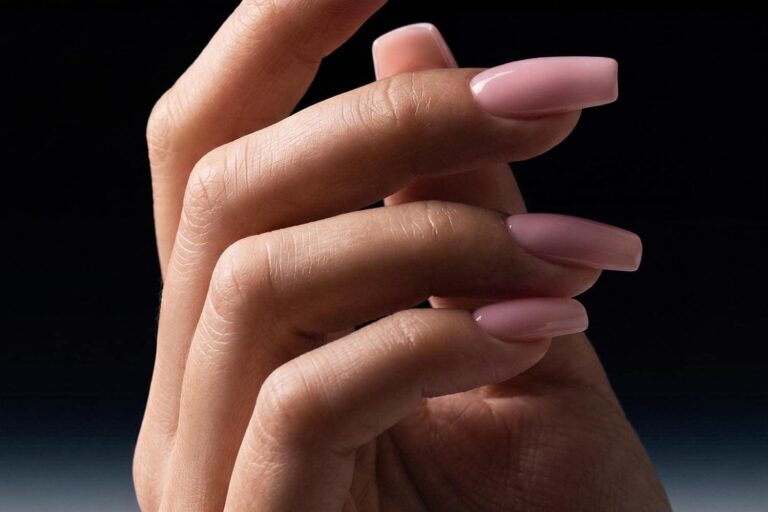
The right nail color can make your hands look brighter, your skin more even, and an outfit more intentional. The wrong one can do the opposite, and it is rarely because the shade itself is unflattering. More often it is a mismatch with your undertone. Once you understand how color and skin work together, choosing polish stops being guesswork and starts feeling obvious.
Start With Your Undertone, Not Your Skin Color
Undertone is the subtle hue beneath the surface of your skin, and it matters more than how light or deep your complexion is. There are three broad categories: cool undertones lean pink, red, or bluish; warm undertones lean golden, peachy, or yellow; and neutral undertones sit somewhere in between.
Here is a quick test. Look at the veins on the inside of your wrist in natural light. Bluish or purple veins usually point to cool undertones. Greenish veins suggest warm. If you honestly cannot tell, you are probably neutral, which is good news, because most shades will work on you.
Flattering Shades for Cool Undertones
Cool undertones are complemented by colors with a blue or berry base. Think:
- True reds with a blue base
- Berry, plum, and raspberry
- Cool pinks and mauve
- Icy, silver-toned neutrals and soft grey
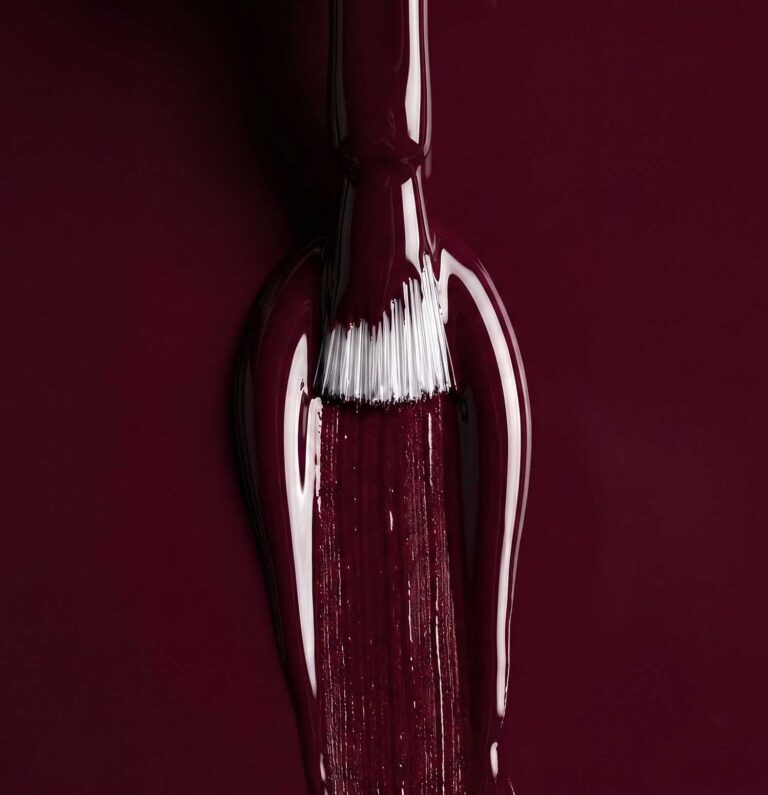
A blue-based crimson is the timeless choice here, the kind of red that reads sharp rather than orange.
Flattering Shades for Warm Undertones
Warm undertones glow next to colors with golden or earthy warmth:
- Coral, peach, and warm corals
- Brick, terracotta, and warm reds with an orange base
- Camel, caramel, and warm nudes
- Olive, bronze, and gold
If you have ever felt that a certain nude looked slightly grey on you, a warmer version is likely the fix.
Universally Flattering Options
If you want something that works on nearly everyone, a few categories are reliably safe. The trick with a nude is to choose one slightly deeper than your natural skin rather than an exact match, which is what makes it look intentional instead of washed out. We get into the philosophy of bare, polished-looking nails in our guide to the nude manicure. Sheer milky whites and soft pinks, the backbone of a good french manicure, are similarly forgiving, as is a true, balanced red that leans neither too blue nor too orange.
Consider the Season and the Occasion
Undertone gives you the palette; context helps you choose within it. Softer, sheerer shades tend to read fresh in spring and summer, while deeper, saturated colors feel right in fall and winter. If you want a starting point by time of year, our roundup of the best nail designs for every season is an easy place to browse. For events, think about longevity and photographs: classic shades photograph consistently and hide small imperfections, while very trend-driven colors can date an image quickly.
Why Application Matters as Much as Color
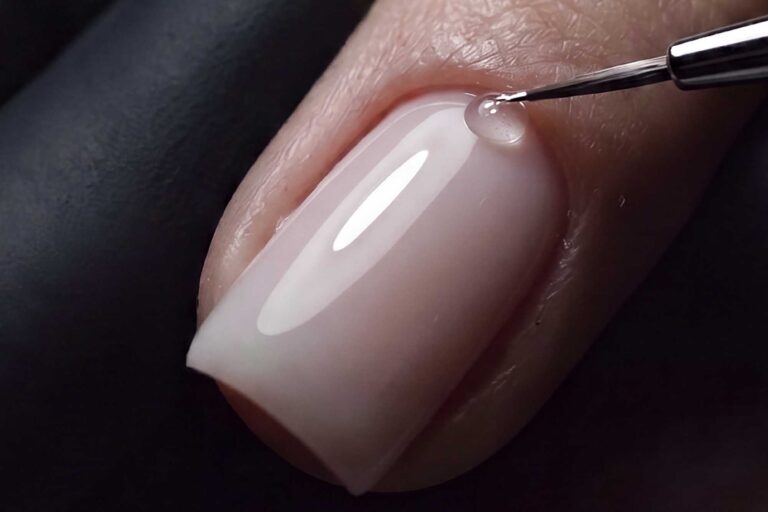
Even the perfect shade will disappoint if the base underneath is uneven or the polish lifts within days. This is where technique earns its keep. A dry manicure preps the nail without a water soak, so the plate is not swollen when color goes on. That means smoother application and a bond that lasts. The same color can look entirely different applied carefully on a well-prepped nail versus rushed over softened skin. Cleaner formulas matter too; our polishes skip the harshest chemicals without sacrificing payoff, so the shade you choose stays rich and wears well. It is worth booking with a studio, like our SoHo location, that treats prep as seriously as the color itself.
When in Doubt, Ask
If you are still unsure, bring a photo of the outfit or the mood you are going for. A good technician can read your undertone in person and steer you toward something that flatters, which is faster and far more accurate than scrolling swatches online.
The Bottom Line
Choosing a color you love is easier with an expert in the room and a finish that lasts. Book a dry manicure at The Shade in SoHo, and we will help you land on a shade that suits your skin, your season, and the way you actually live in your nails.