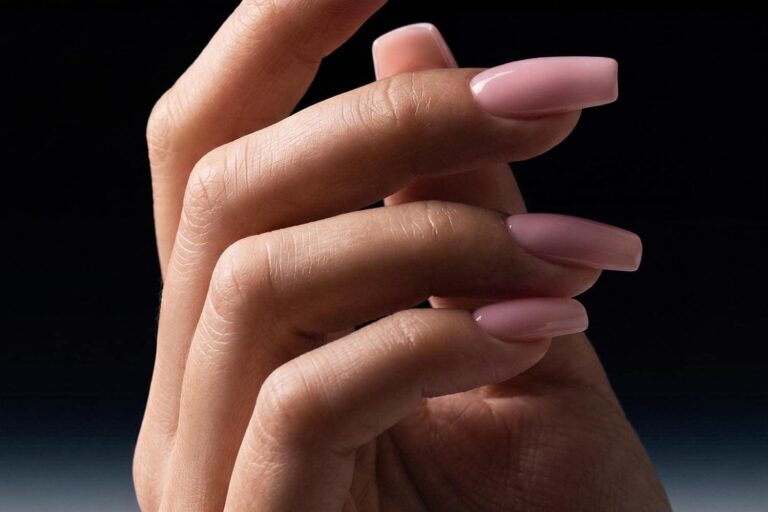
A gel manicure typically lasts about two to three weeks, and that range is exactly where most of the interesting questions live. Why do some people get a flawless three weeks while others see chipping by day five? Why does the same color on the same nails last beautifully one month and lift early the next? The lifespan of a gel manicure is not luck. It is the result of a handful of factors, some of which are in your control and some of which come down to how the manicure was done in the first place.
Understanding these factors lets you get the most out of every appointment, recognize a quality service, and avoid the habits that quietly sabotage your wear.
The honest answer: two to three weeks
Under normal conditions, a well-applied gel manicure should comfortably last two to three weeks before you notice meaningful chipping, lifting, or regrowth at the cuticle. Many people choose to come in around the two-to-three week mark not because the polish has failed, but because their natural nails have grown out enough that the gap at the base is noticeable.
If your gel is chipping in the first few days, that is not normal, and it almost always points to a problem with prep, application, or curing rather than anything you did. Which brings us to the factors that actually determine how long your manicure holds.
What affects how long gel lasts
How well the nails were prepped
This is the single biggest factor, and it happens before any color goes on. If the nail surface is not clean, dry, and lightly buffed, the gel cannot bond properly, and early lifting is almost guaranteed. A common culprit is water. Many salons soak your hands before the service, which swells the nail plate; as it dries and contracts over the following hours, the gel loses its grip. We dig into this in detail in our explainer on the dry manicure.
Application and curing
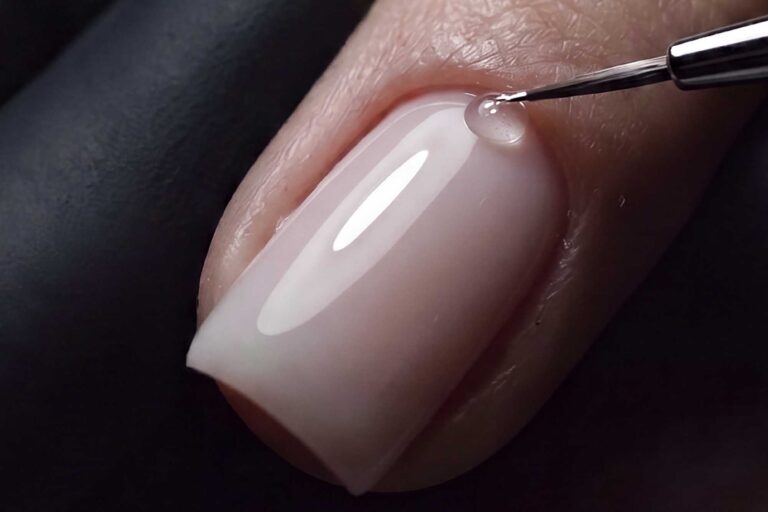
Thin, even coats that are each fully cured under the lamp create a strong, durable layer. Thick coats or under-curing leave the gel soft and prone to chipping. The free edge of the nail also needs to be “capped” with product, sealing the tip so wear starts from a protected edge. Sloppy or rushed application is one of the most common reasons gel fails early, which is why where you go matters so much. Our guide to the best gel manicure in NYC covers what expert application looks like.
Your daily habits and nail type
Some of it is just life. Hands that are constantly in and out of water, exposed to harsh cleaning products, or used for heavy manual tasks will see gel wear faster. Some people also simply have more flexible or oily nails, which can affect adhesion. None of this means you cannot get great wear; it just means aftercare matters more for you.
Nail growth
Even with perfect adhesion, your nails keep growing. The gap that appears at the cuticle over two to three weeks is natural regrowth, not failure, and it is usually the real signal that it is time to come back.
How a dry application extends your wear
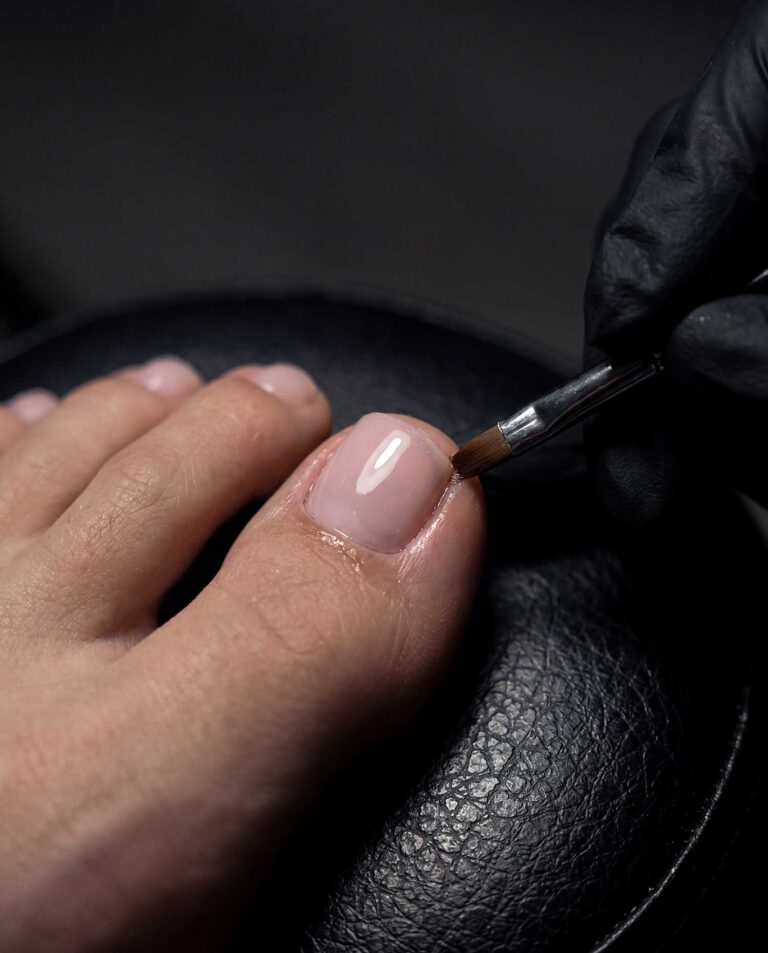
If prep and water are the biggest variables, then a fully dry, waterless manicure addresses the problem at its root. By skipping the soak entirely, the nail plate stays at its natural, stable size throughout the service. The gel bonds to a dry, properly prepped surface and is not relying on adhesion that will weaken as a soaked nail dries out over the next several hours.
This is a core reason The Shade is a dry studio. The waterless method is not just gentler and cleaner; it is one of the most effective ways to help a gel manicure reach the upper end of that two-to-three week range, and sometimes beyond. Combined with cleaner, non-toxic products and careful technique, it is engineered for longevity from the very first step.
Aftercare tips to make gel last longer
Once you leave the studio, a few simple habits protect your investment:
- Oil your cuticles daily. Cuticle oil keeps the nail and surrounding skin flexible and hydrated, which actually helps prevent lifting and cracking. This is the single best habit for longer wear.
- Wear gloves for chores. Dishwashing, cleaning products, and prolonged hot water are hard on gel. Gloves are a small effort with a big payoff.
- Do not use your nails as tools. Peeling stickers, opening cans, and prying things are how chips and cracks start.
- Limit long, hot soaks. Extended time in hot water can loosen gel over time, so keep baths and dishwashing reasonable.
- Apply hand cream regularly. Hydrated hands and nails simply hold up better.
Never pick or peel: safe removal matters
Here is the rule that protects your natural nails more than any other: never pick, peel, or pry off your gel. It is tempting when an edge starts to lift, but pulling gel off takes layers of your natural nail with it, leaving the surface thin, weak, and damaged. That damage then makes your next manicure more likely to fail, creating a frustrating cycle.
Proper removal is gentle and patient, breaking down the product without harming the nail underneath. A quality studio takes the time to remove gel correctly, and you should too. If you cannot get to the studio, soften and remove it carefully rather than forcing it. A studio that respects your nails on removal is one worth returning to, a point we make in our guide to the best gel manicure in NYC.
The takeaway
A gel manicure should last two to three weeks, and whether you land at the low or high end of that range comes down to prep, application, your habits, and how the gel is eventually removed. Start on clean, dry nails, choose a studio that does not rush, oil your cuticles daily, and never peel, and you will consistently get the long, flawless wear gel is capable of.
For a manicure built to last, book at The Shade in SoHo and experience the difference a dry, non-toxic approach makes.