If you’ve only ever had a traditional manicure, the idea of skipping the water bowl can sound strange. But the dry manicure isn’t a shortcut — it’s a more precise, longer-lasting way to do nails, and it’s the approach we use on every guest at The Shade. Here’s exactly how a dry manicure differs from a traditional (wet) manicure, and why the difference shows up in how your nails look and how long they last.
What is a traditional (wet) manicure?
A traditional manicure begins with a soak: your hands rest in warm, soapy water to soften the skin and cuticles before shaping and polish. It feels relaxing, and it’s what most salons have done for decades. The trade-off is in the details. Soaking swells the nail plate with water. When the nail later dries and contracts, polish and gel can lift, bubble, or chip sooner than you’d expect — which is why a soak manicure often starts to go within a week.
What is a dry manicure?
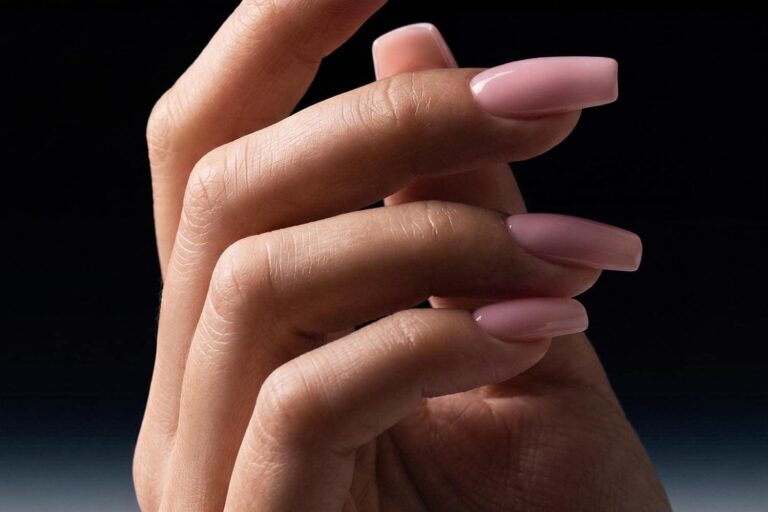
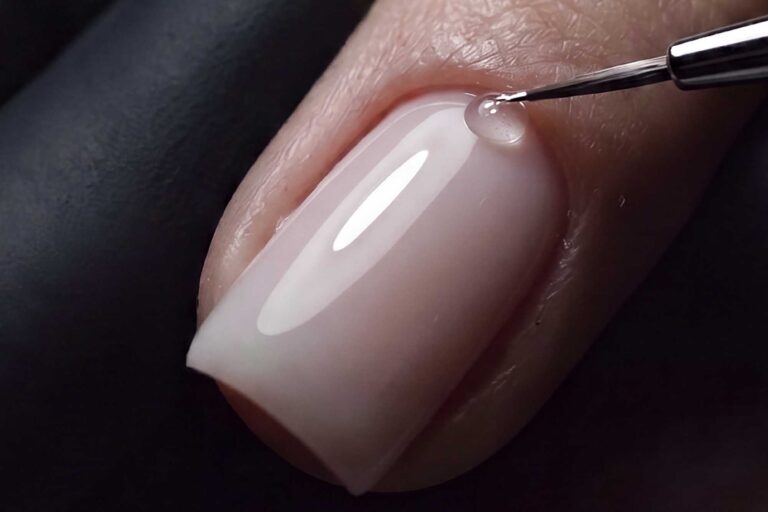
A dry manicure does exactly what the name suggests: no soaking. Instead of softening everything in water, we shape the nail and refine the cuticle on dry skin using a precise e-file technique. Because the nail plate isn’t swollen with water, it stays at its true size and shape — so when color or gel goes on, it bonds to a clean, stable surface. The result is a cleaner finish around the cuticle, a more precise shape, and wear that lasts noticeably longer. It’s the same dry, e-file approach behind the technique often called a Russian manicure, refined into our own method.
Dry vs. traditional: the differences that matter
- Longevity: Dry manicures help gel and polish adhere to an unswollen nail, so your manicure typically holds two to three weeks instead of starting to chip in days.
- Precision: Working on dry skin lets us clean and refine the cuticle line with far more accuracy than is possible after a soak.
- A cleaner finish: No water means color can be applied closer to the cuticle without flooding or lifting, for that crisp, just-done look.
- Hygiene: Skipping the shared soak bowl is simply a cleaner experience.
Which one should you choose?
If you love the ritual of a warm soak and you’re happy refreshing your nails weekly, a traditional manicure is perfectly nice. But if you want nails that look freshly done for longer, with a cleaner, more precise finish — the dry manicure wins. It’s why we built The Shade around the dry technique: skin care meets nail care, every visit finished with our signature face mask.
Want to feel the difference for yourself? Explore our dry gel manicure and book your appointment at our SoHo studio.